Raising Beverage Standards
The global beverage alcohol industry is changing as companies respond to new consumer preferences, economic challenges and changing social habits. Quality, sustainability and innovation now play a big role in how brands compete and grow in global markets. Leading the way are top alcohol brands, which combine their strong heritage with modern strategies to attract both loyal customers and new generations of drinkers.
The article explains how alcohol brands are responding to changing consumer preferences through premium products, ready-to-drink beverages, sustainability efforts, global expansion, and new trends driven by younger consumers.
Premiumization Reshaping Consumer Choices
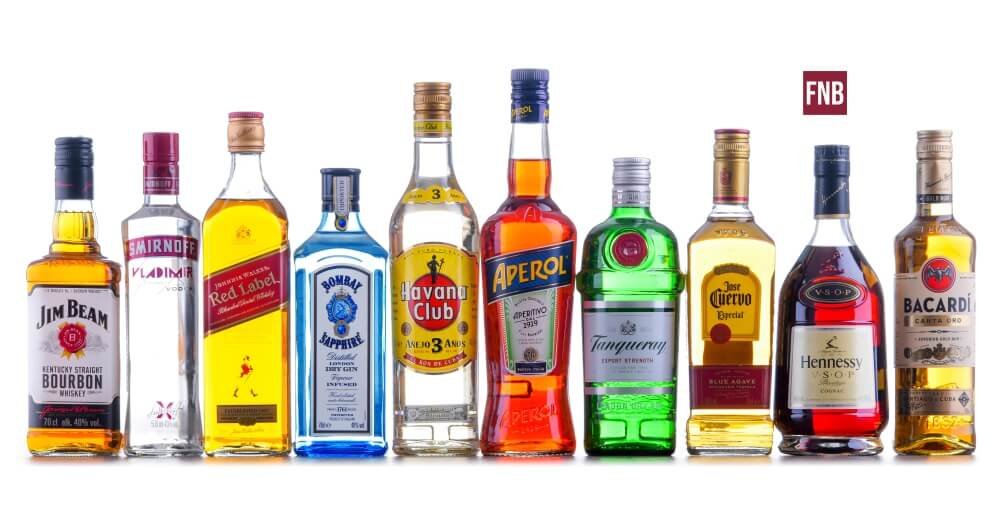
Premiumization has become a major trend in the alcohol industry. Many consumers now look for beverages that offer better quality, craftsmanship, and authentic production methods. Because of this shift, Top Alcohol Brands focus more on refining their production processes, highlighting the origin of their ingredients, and developing richer flavor profiles.
This trend is clear in categories such as whiskey, tequila, and gin. Distillers pay closer attention to ingredients, aging methods, and regional character to create unique products. Limited editions, single-origin spirits, and small-batch releases have also become popular among enthusiasts.
Meanwhile, price is still a critical concept among most buyers. Premium products are also purchased by consumers when they are ready to pay more, but think that the quality is worth it. To meet this demand, alcohol brands offer a range of products, including luxury options as well as more affordable premium choices.
Ready-to-Drink Beverages Fuel Growth
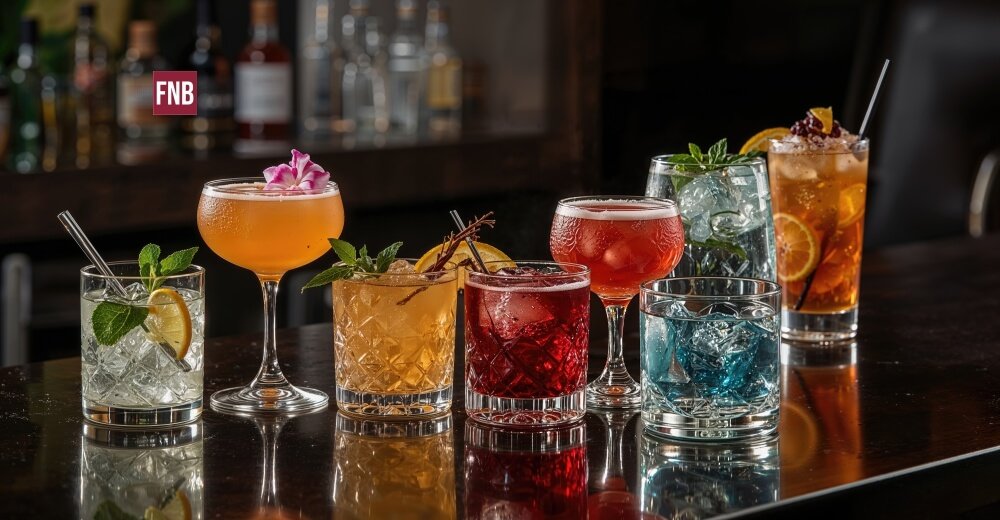
Ready-to-drink (RTD) beverages have become one of the fastest-growing areas in the alcohol market. These drinks combine established spirits with balanced flavors, giving consumers cocktail-style options in convenient formats.
RTDs are especially popular among younger consumers and those who prefer quick, ready-made drinks for social gatherings or outdoor activities. They also give companies the chance to experiment with new flavors and packaging styles.
For Top Alcohol Brands, the RTD category creates opportunities to reach consumers in more situations and retail channels. These drinks allow the brands to expand their reach beyond bars and restaurants and have a well-known flavor in a convenient format.
Sustainability Becoming a Core Priority
Environmental responsibility has become an important factor for many consumers when choosing products. Buyers increasingly prefer brands that show transparency in sourcing, production, and packaging.
In response, alcohol brands are introducing sustainability practices throughout their operations. Many distilleries now use renewable energy, reduce water consumption, and work toward carbon-neutral production methods. Companies are also using recycled packaging and responsibly sourced ingredients.
Global Expansion into Emerging Markets
While established markets remain important, many companies now look toward developing economies for future growth. Expanding middle-class populations and increasing disposable incomes across Asia, Latin America and Africa are creating new opportunities.
To succeed in these regions, top alcohol brands create strategies that match local tastes, rules, and cultural preferences. Many companies instead of growing on a countrywide scale immediately, are first willing to establish themselves in large cities and extend afterward.
Distribution methods are also changing. Other brands are also abandoning the brokerage concept and developing their logistics networks or local collaboration. This assists them in ensuring the quality of products and also the supply chains.
Innovation and Digital Engagement
Innovation remains important for companies that want to stay competitive. Brands continue to introduce new flavors, lighter options, and lower-sugar products to meet growing interest in balanced consumption.
Online channels also have a greater role to play in reaching the consumer. Social media, online shops, and virtual tasting experiences will enable the companies to distribute product stories and connect with broader audiences. For Top Alcohol Brands, successful innovation requires balance. Companies must introduce new products while protecting the traditional offerings that built their reputation.
The Influence of Gen Z Consumers
Younger consumers are gradually changing their drinking habits. Many Gen Z drinkers approach alcohol more selectively and often prefer moderation compared to earlier generations. They prefer occasional social drinks that focus on quality and new experiences. Their choices are influenced by flavors, brand values, and authenticity.
This trend encourages Top Alcohol Brands to develop products suited for intentional drinking occasions. Premium RTDs, smaller bottle sizes, and creative flavor options appeal to this new group of consumers.
Travel Retail and Experiential Marketing
Travel retail spaces are also changing. The concept of enabling travelers to experience the brands and to find new products is gaining more attention at the airports and duty-free stores.
Companies attract travelers with creative displays, special editions, and unique packaging. Growing passenger traffic, especially in the Middle East and India, is helping this channel expand. These spaces enable the Top Alcohol Brands to present their products to foreign consumers and enhance their high-end brand image.
Conclusion
The beverage alcohol industry will continue to evolve as consumer expectations change. Premiumization, sustainability, and innovation will remain important factors shaping how companies compete.
At the same time, growing global markets and digital platforms are giving brands new ways to connect with consumers. By combining tradition with modern strategies, leading alcohol brands continue to improve quality and promote responsible practices in the industry.
As emerging markets grow and younger consumers influence new drinking habits, companies that focus on authenticity, adaptability, and strong brand experiences will continue to lead in the coming years.